
How to Quilt with a Regular Sewing Machine
Published 11/15/2026 · Updated 11/15/2026
No long-arm needed. A step-by-step guide to piecing, quilting and binding on a home sewing machine, plus the feet and features that make it easier.
Products mentioned in this guide
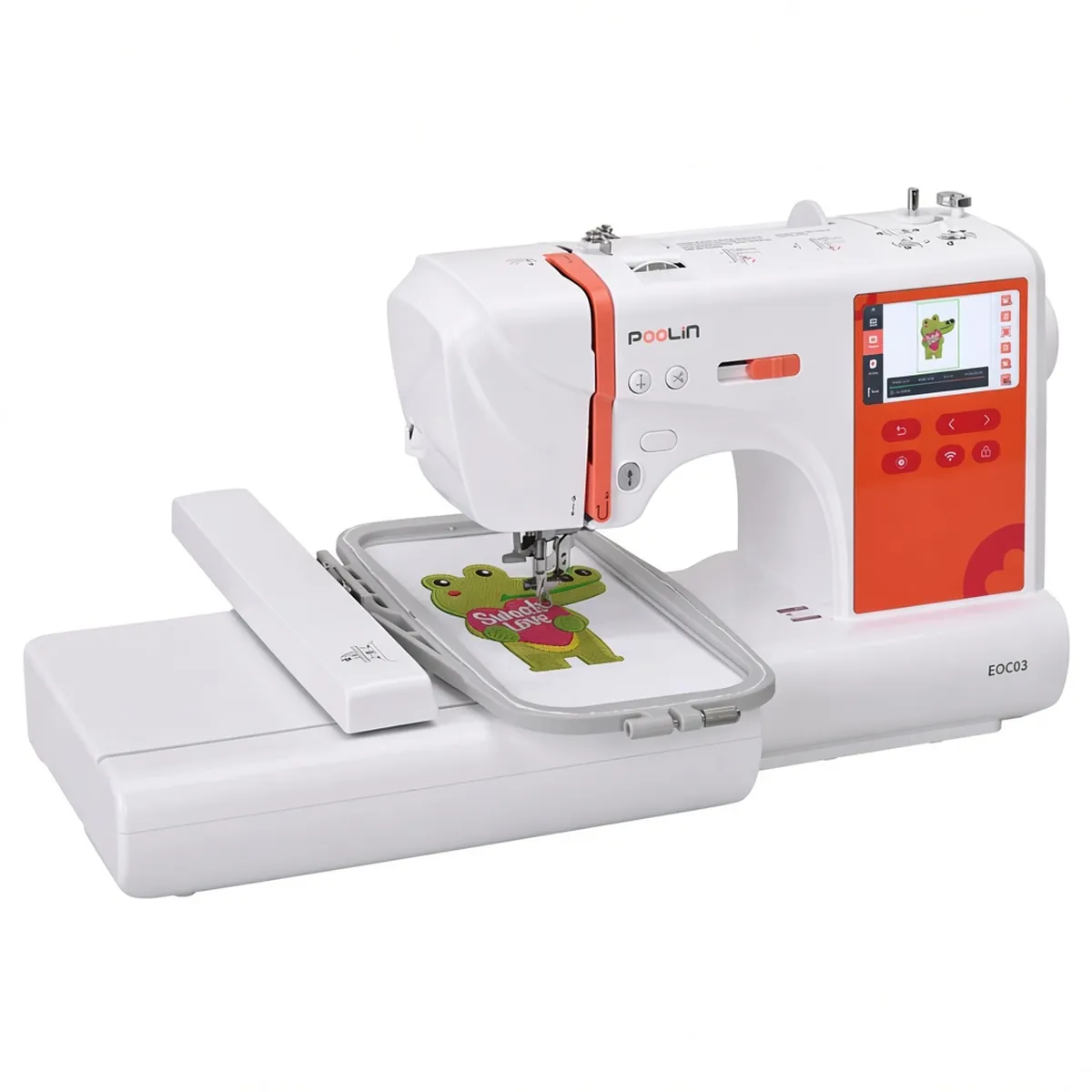
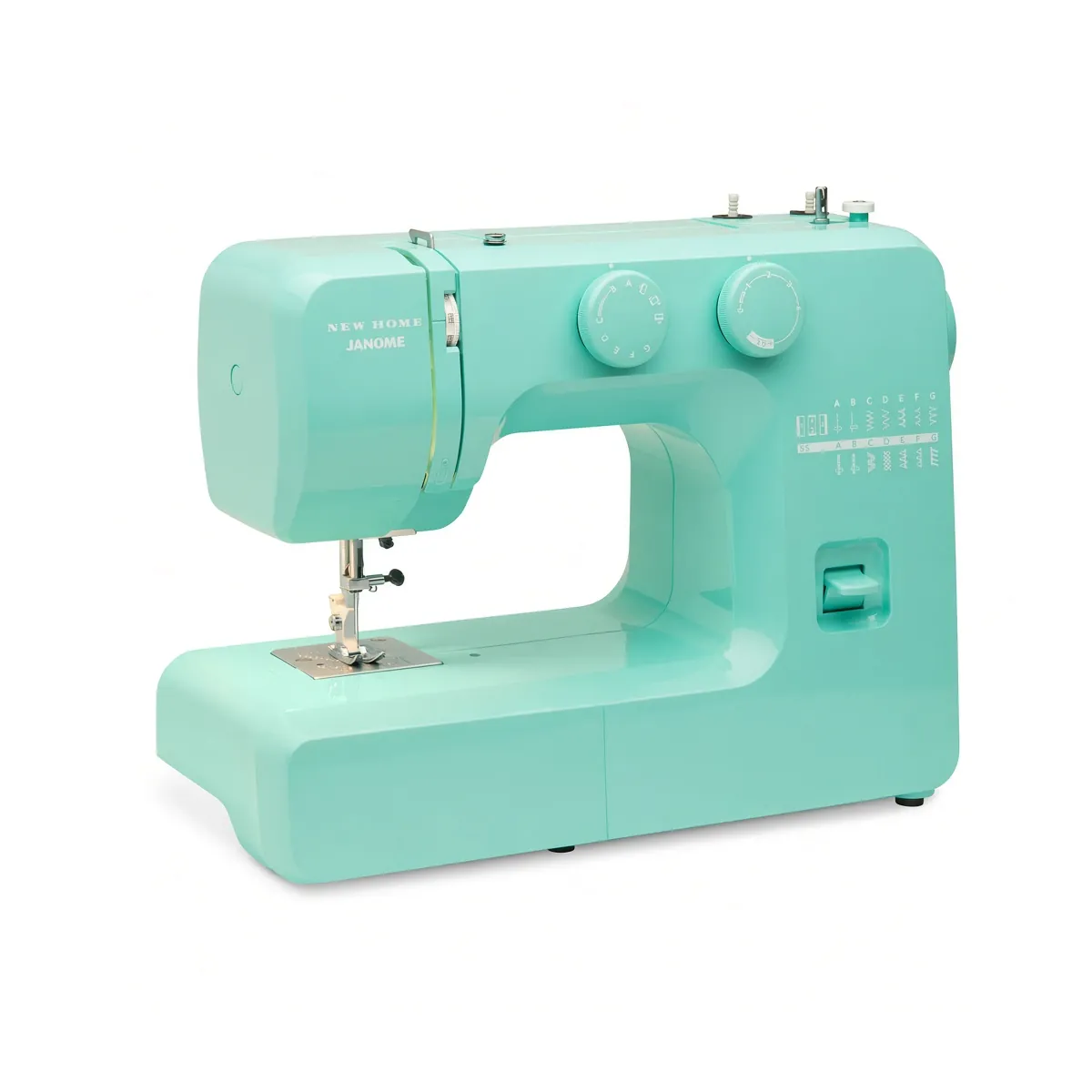
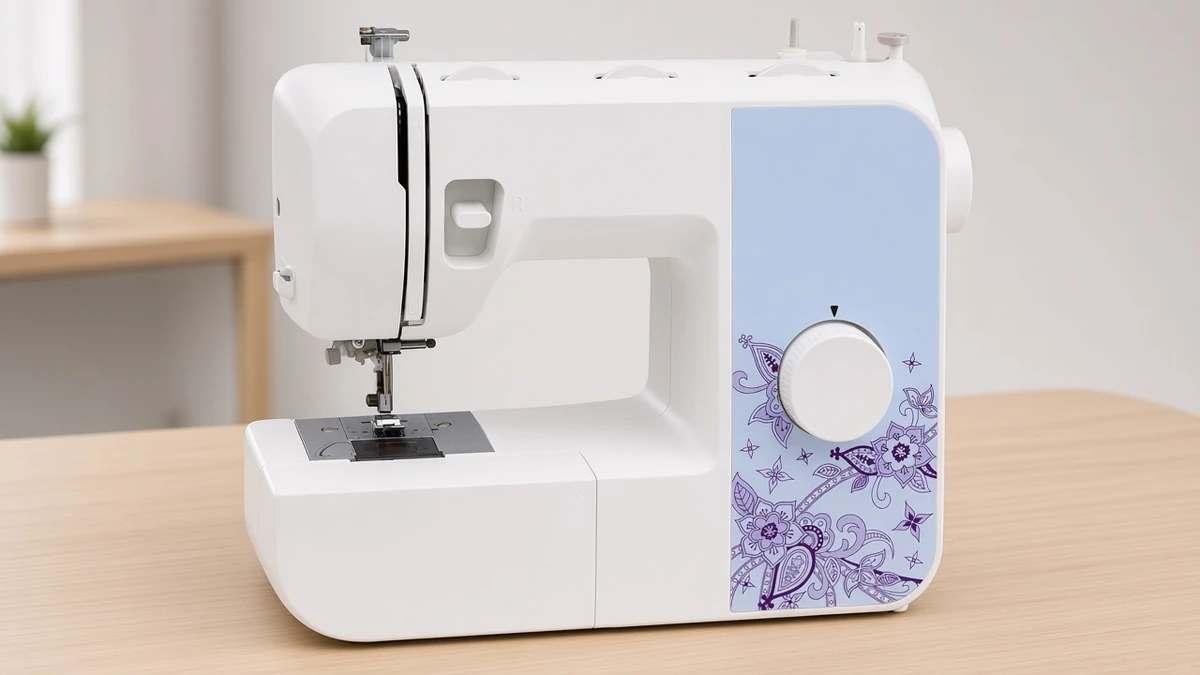
How-To and Techniques
You do not need a long-arm or a dedicated quilting machine to make a quilt. A regular home sewing machine can piece a quilt top, quilt straight lines through the layers and even do free-motion designs, as long as it has a few basics. This guide walks through what you need and the main techniques, and points to machines on EmbroidWise that make each step easier.
What you need
Item | Why it helps | Machines on our site that include it |
|---|---|---|
Walking foot | Feeds the top layer at the same rate as the bottom, so layers do not shift or pucker | |
1/4 inch piecing foot | Keeps seam allowances accurate so blocks line up | |
Wide or extension table | Supports the weight of the quilt so it does not drag | |
Drop feed | Lowers the feed dogs so you can move the fabric freely for free-motion quilting | |
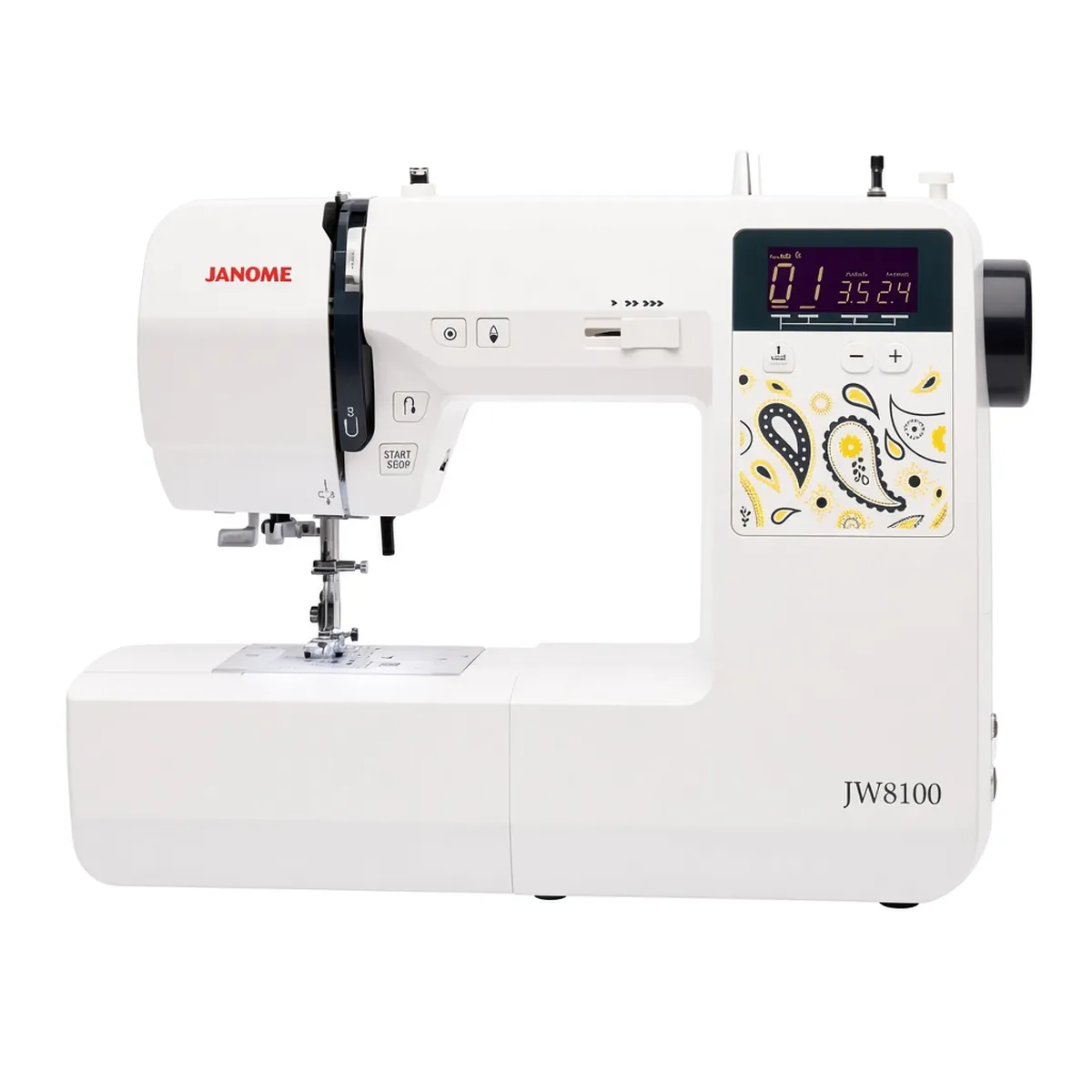
Speed control | Keeps stitching slow and even while you learn | CS7000X, Janome JW8100 (speed slider) |
You will also want quilting pins or clips, a rotary cutter and mat, and a needle suited to cotton layers.
Step 1: Piece the top with a 1/4 inch seam
Quilt patterns assume a 1/4 inch seam allowance. A 1/4 inch foot makes this easy because you can run the fabric edge along the side of the foot. If your machine does not have one, measure 1/4 inch from the needle and mark the needle plate with tape. Sew a test seam and measure it before cutting a whole quilt's worth of pieces. Press seams as you go so blocks lie flat.
Step 2: Make the quilt sandwich
Layer the backing (right side down), the batting and the quilt top (right side up). Smooth each layer and pin or baste every few inches, working from the center out. Good basting is what stops puckers later, whatever machine you use.
Step 3: Quilt straight lines with a walking foot
Straight-line quilting is the easiest place to start. Fit the walking foot, lengthen the stitch slightly and sew along seam lines (stitch in the ditch) or in evenly spaced lines across the quilt. Roll the side of the quilt that sits inside the machine's arm so it fits through, and support the rest on a table so its weight does not pull on the needle. Start in the center and work outward.
Step 4: Free-motion basics with drop feed
For curves, loops and stippling, lower the feed dogs with the drop feed control and fit a darning or free-motion foot. Now you move the fabric yourself, and the stitch length depends on how fast you move it relative to the machine's speed. Practice on a small sandwich of scrap fabric first. Speed control helps a lot here because you can set a steady, moderate speed and concentrate on moving your hands smoothly.
Step 5: Bind the edges
Trim the excess batting and backing, then sew a folded binding strip around the edge. Most people machine-stitch the binding to the front and either hand-stitch or machine-stitch it to the back. A walking foot helps here too, because you are sewing through several layers.
Machines that make quilting easier
Machine | Type | Quilting features we could confirm | Amazon |
|---|---|---|---|
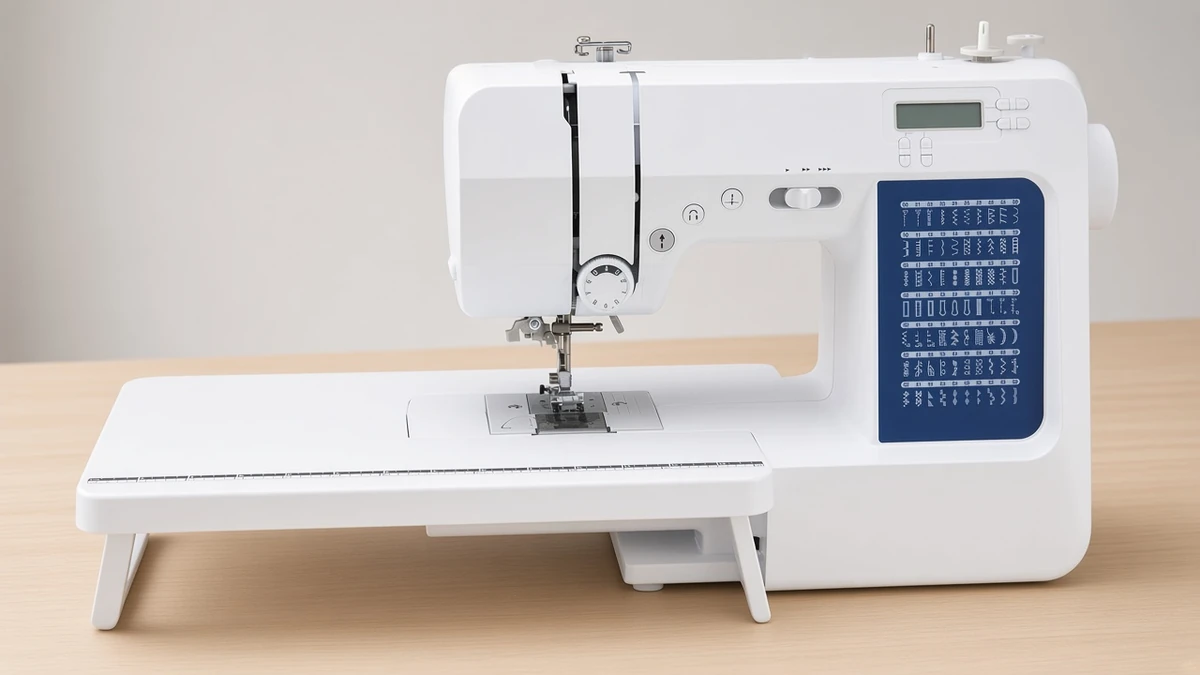
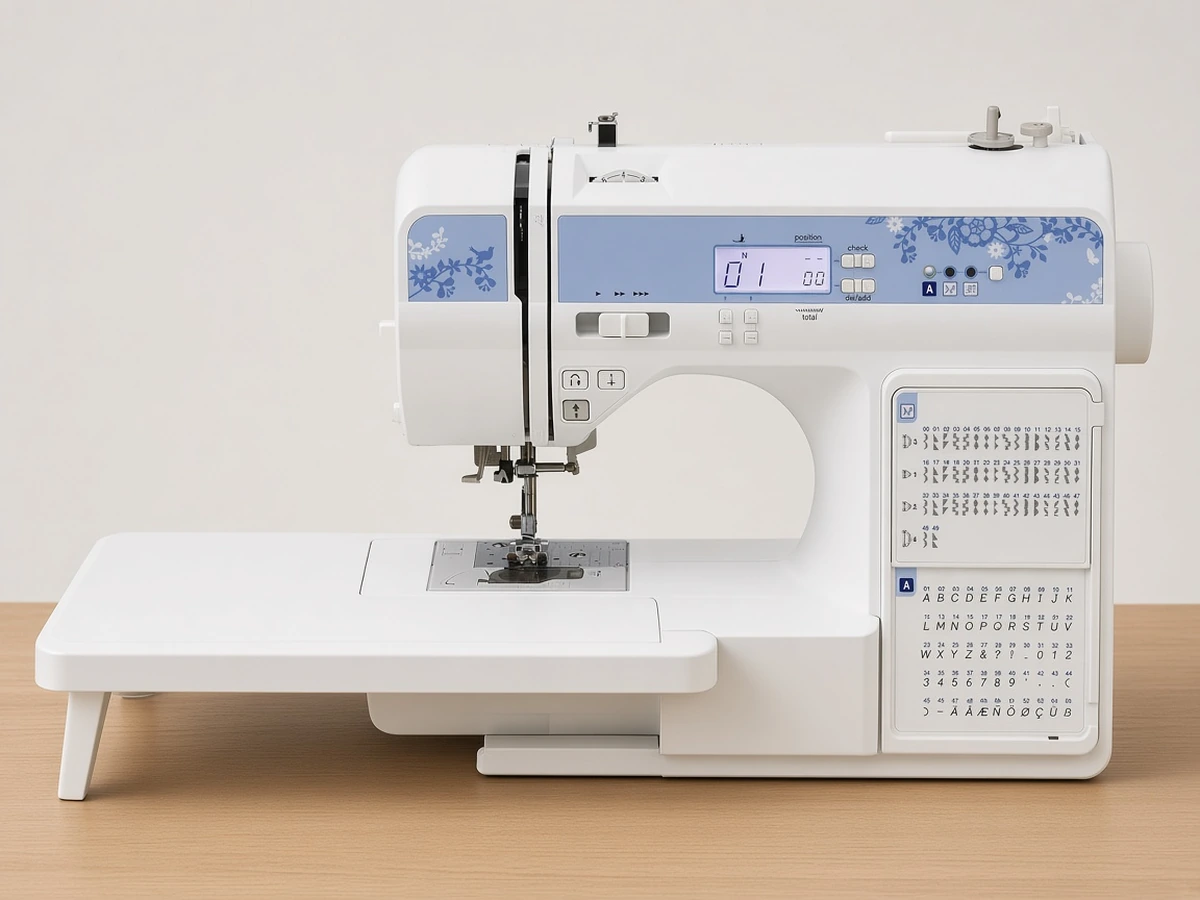
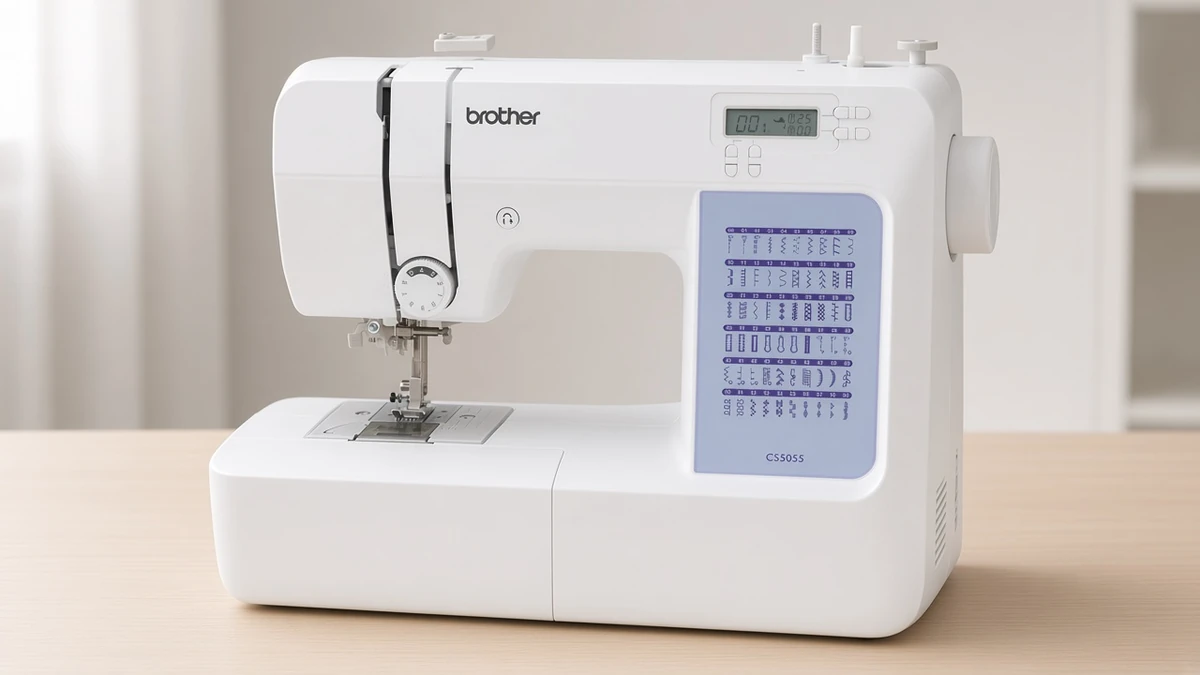
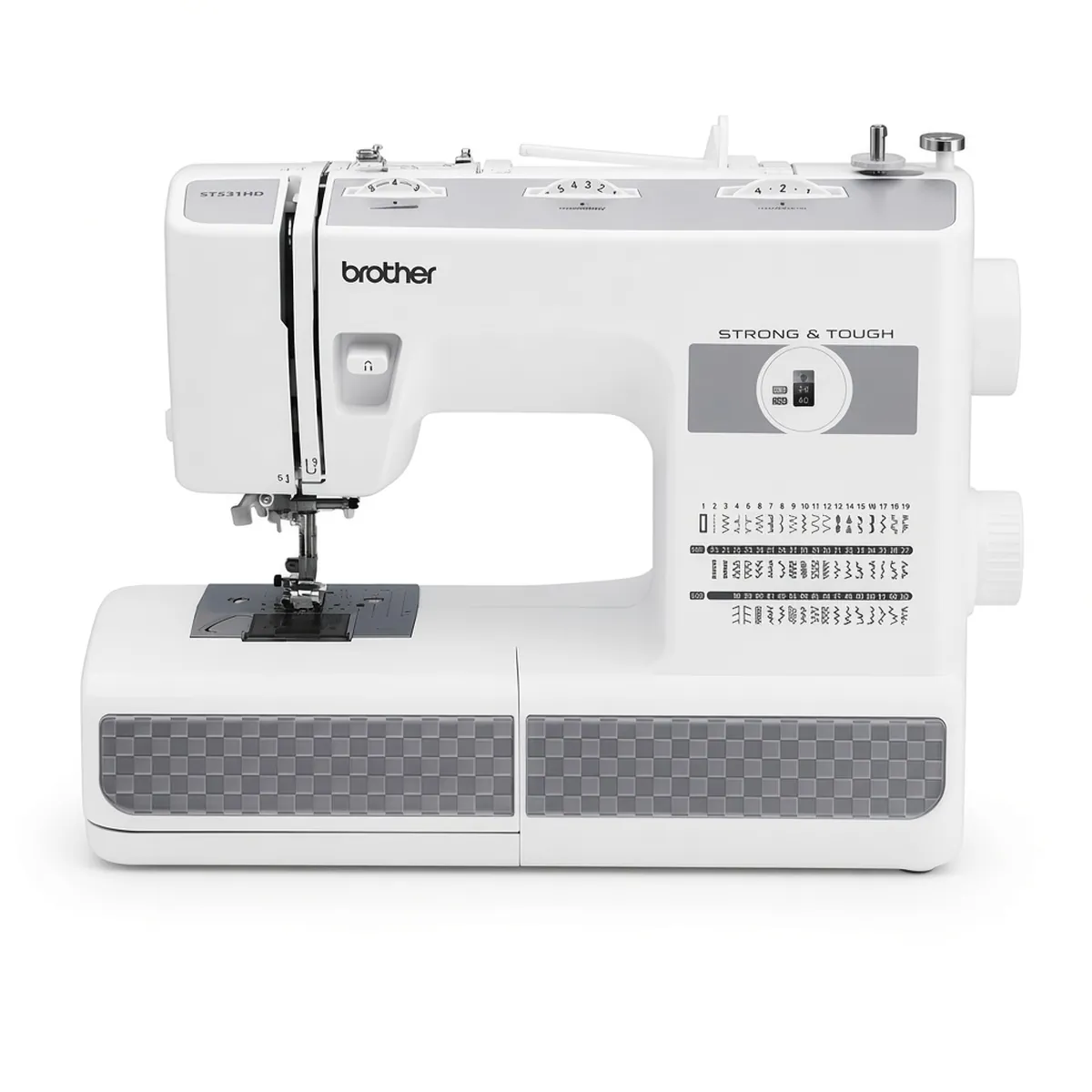
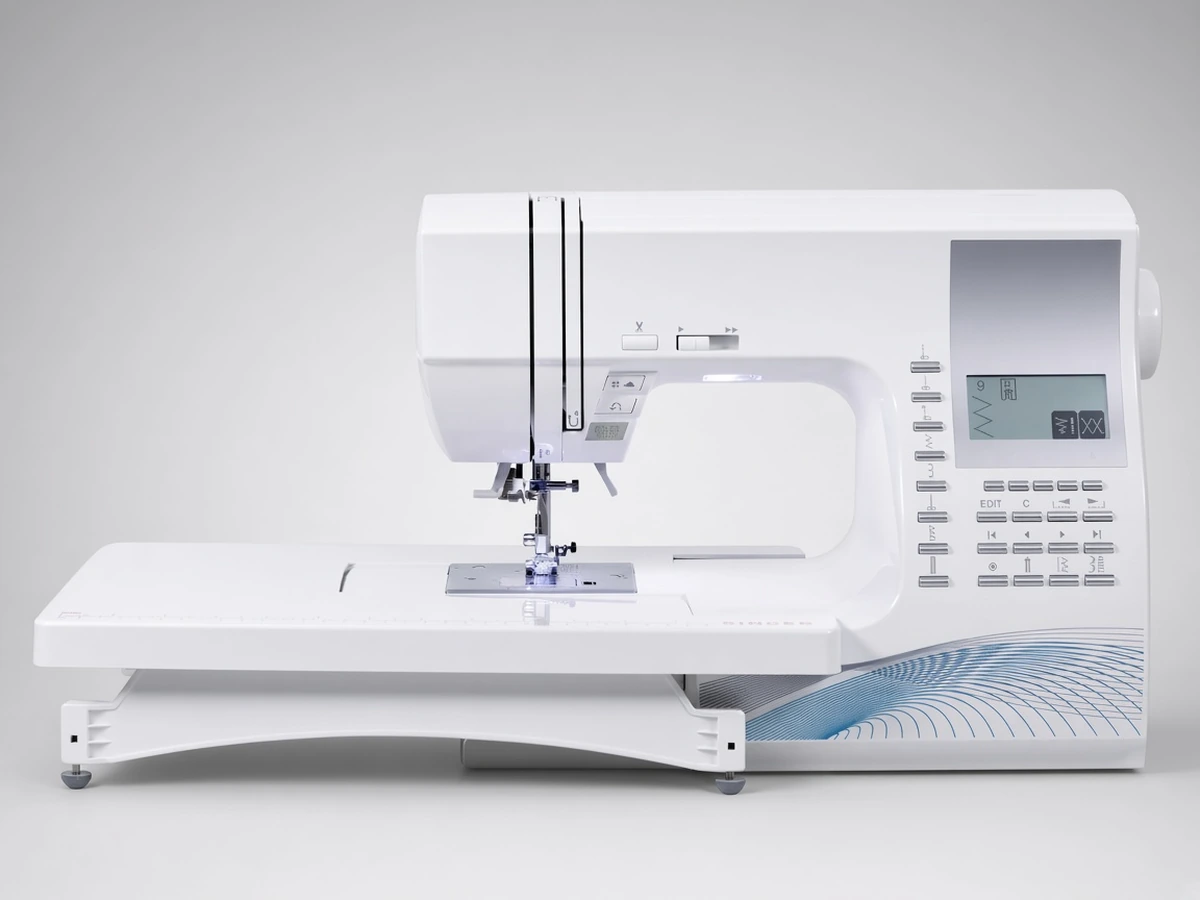
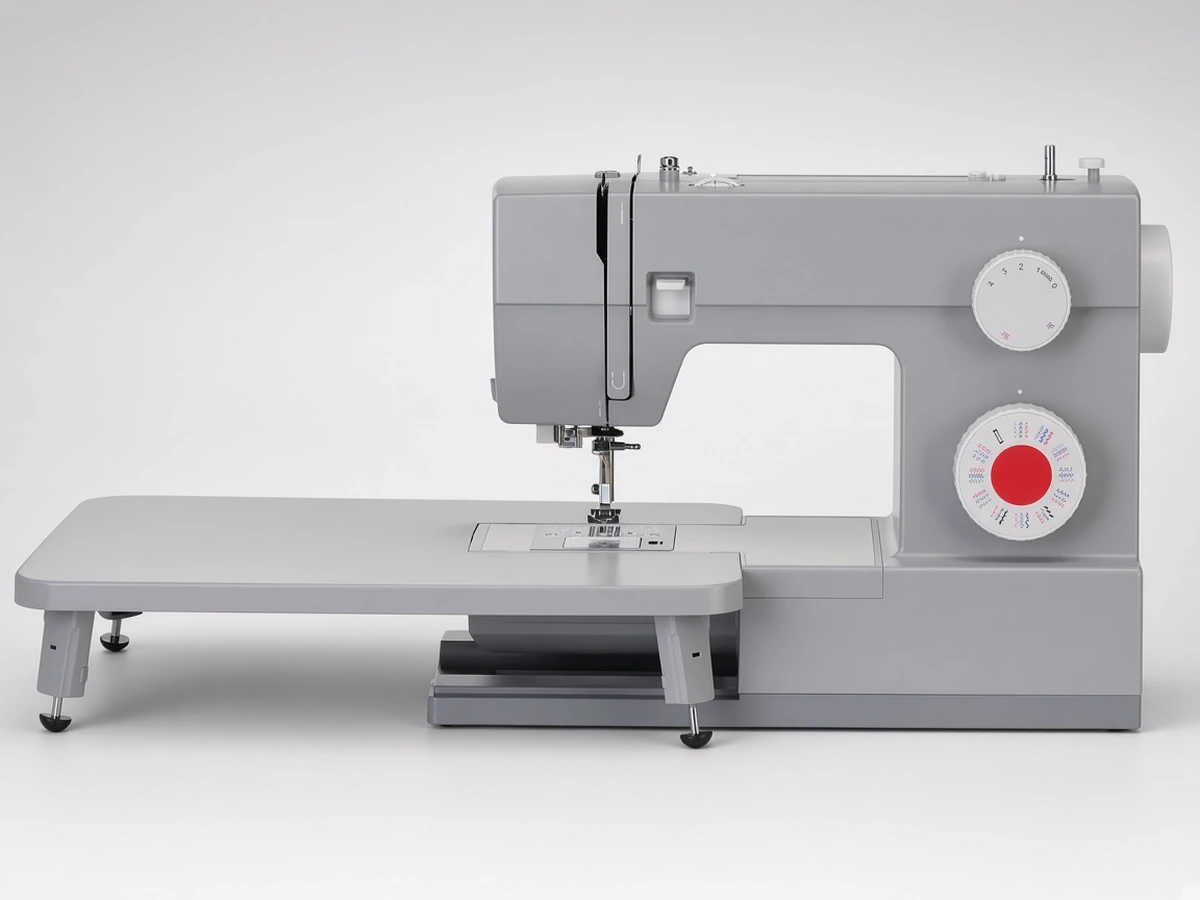
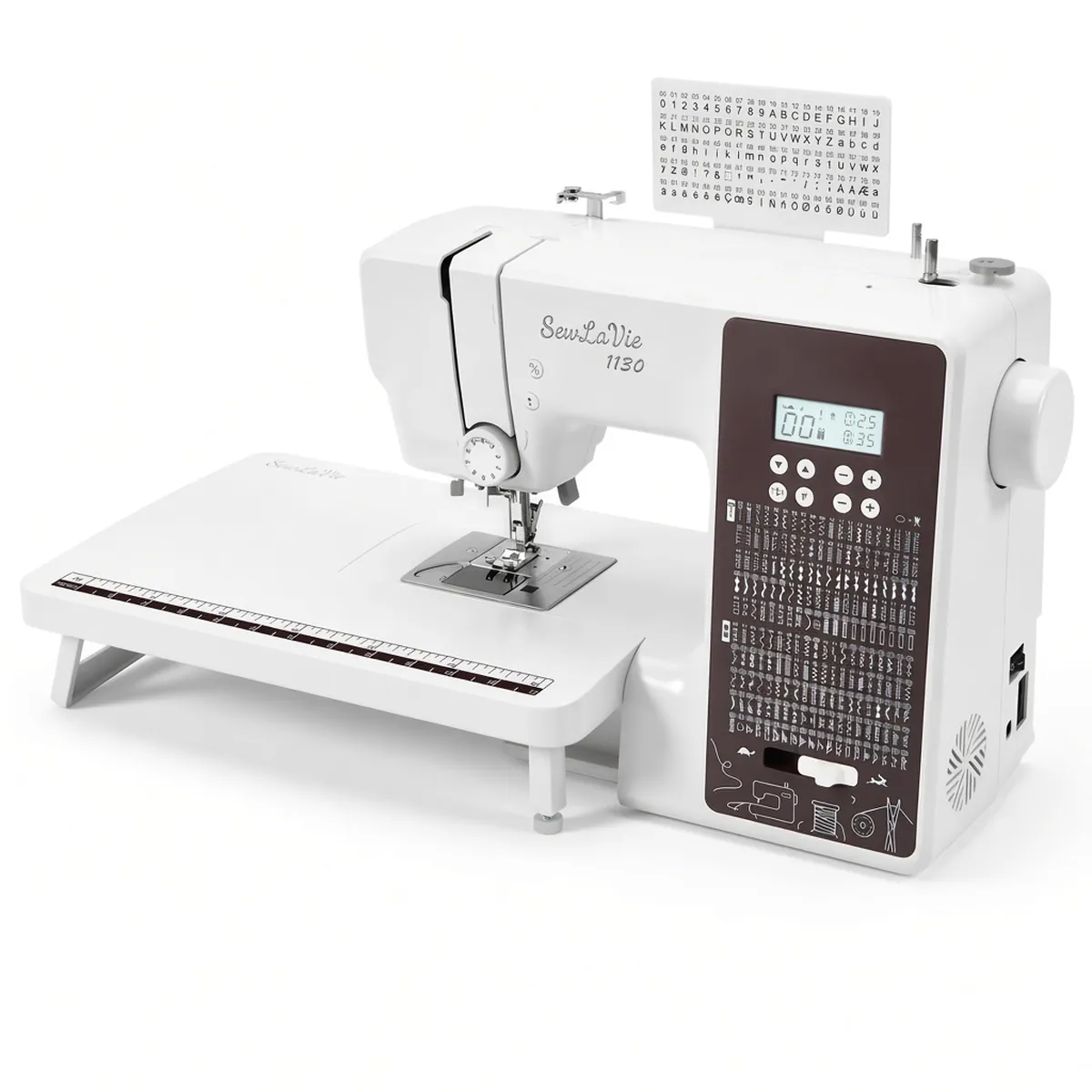
Computerized | 10 feet incl. walking and quilting, wide table, drop feed, speed control | ||
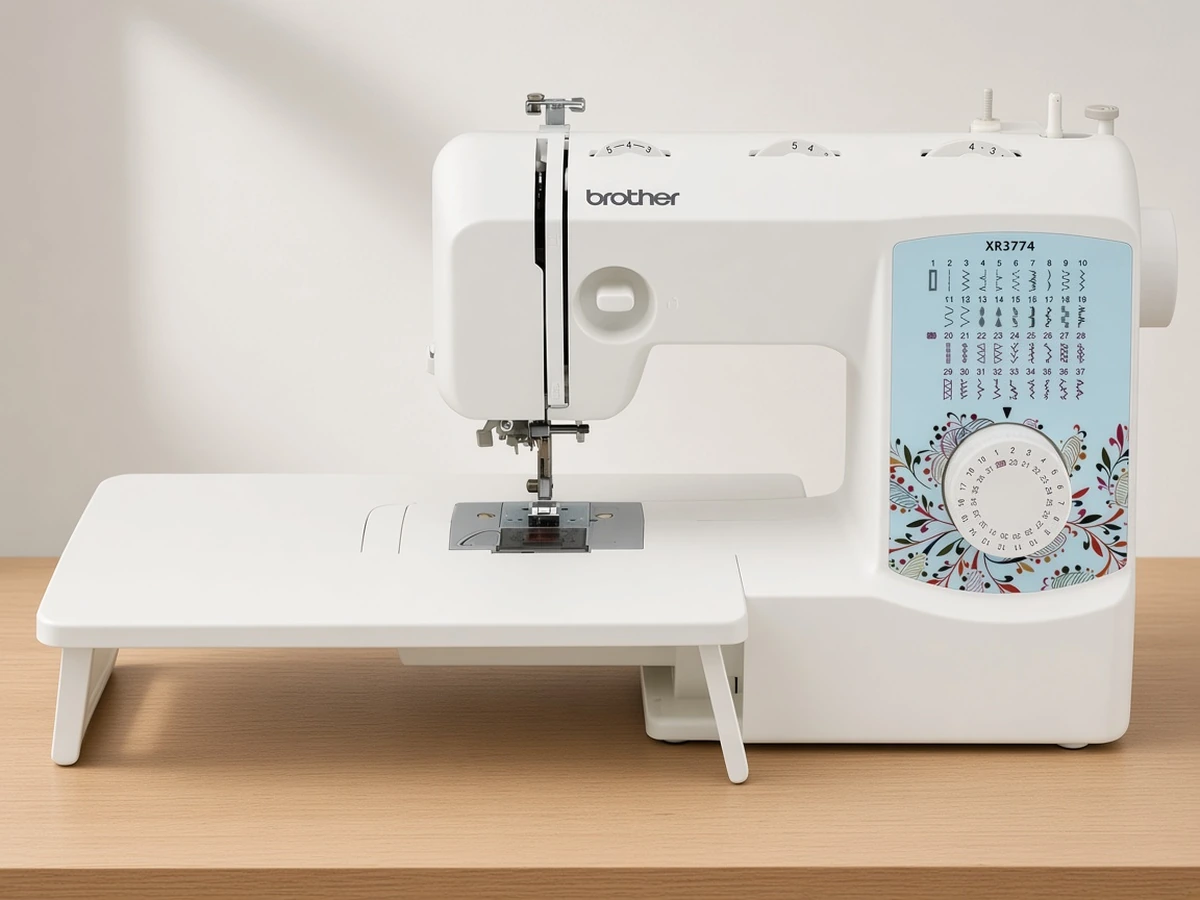
Mechanical | Wide table, 8 feet incl. walking and quilting, 37 stitches | ||
Computerized | 11 feet incl. walking, quilting and 1/4 inch piecing, wide table, drop feed | ||
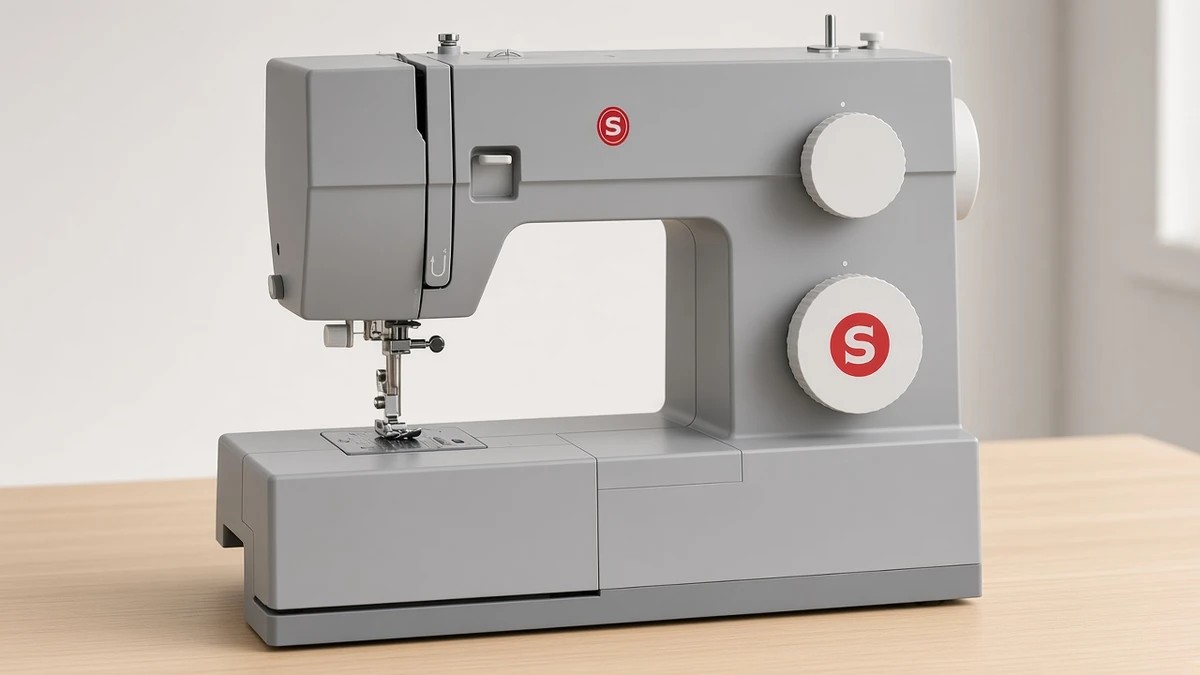
Mechanical | Walking foot, non-stick foot, clearance plate, 6.25 in sewing space | ||
Computerized | 100 stitches, start/stop, speed slider, 7 mm stitch width |
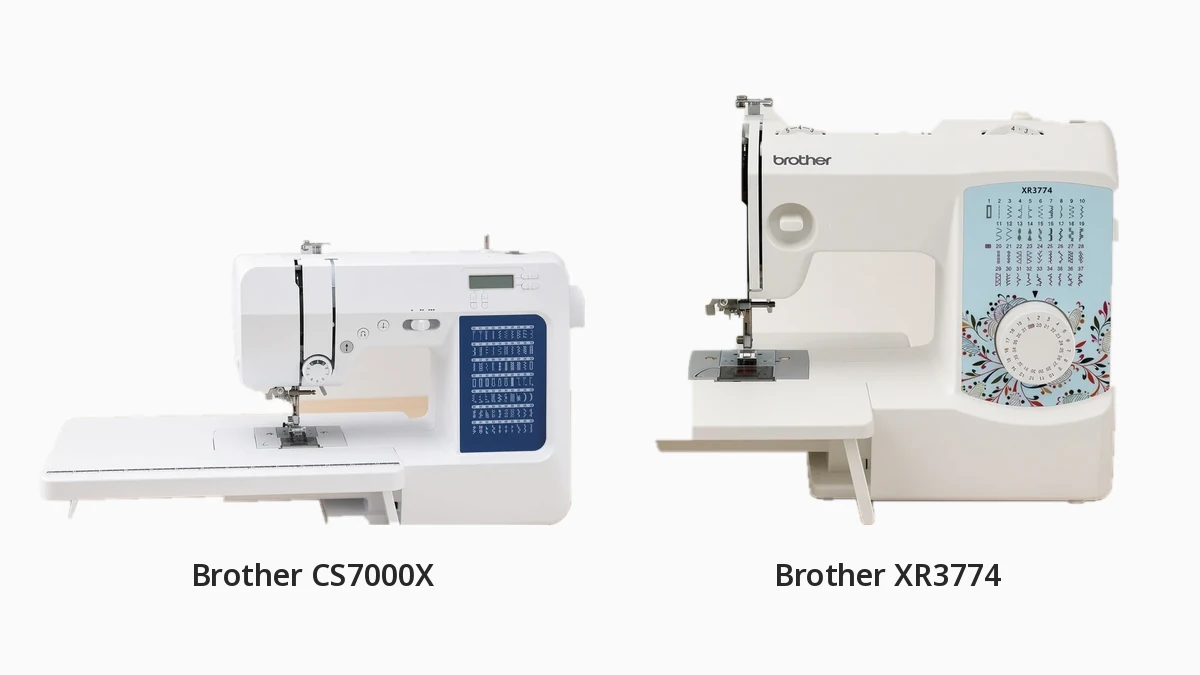
The XR3774 is the simplest quilting-ready option: a dial machine with the wide table and walking foot already included. The CS7000X adds computerized stitch selection and speed control. The Singer 4452 has no table or speed control, but its walking foot and extra sewing space help with thick layers.
FAQ
Can you quilt with a regular sewing machine?
Yes. A home sewing machine can piece, quilt and bind a quilt. A walking foot and a wide table make it much easier.
Do I need a walking foot to quilt?
For straight-line quilting it is strongly recommended, because it stops the layers shifting. Free-motion quilting uses a darning or free-motion foot instead.
What is drop feed?
A control that lowers the feed dogs so the machine no longer moves the fabric, letting you guide it freely for free-motion quilting.
How big a quilt can I make on a home machine?
Lap and twin quilts are manageable with care. Larger quilts take more rolling and support because of the limited space inside the machine's arm.
Which machine on EmbroidWise is best for beginner quilters?
The Brother CS7000X, for its walking foot, wide table, drop feed and speed control in one box.
Verdict
Any sound home sewing machine can make a quilt, but a walking foot, a wide table and drop feed turn it from a struggle into a pleasure. The Brother CS7000X bundles all three with speed control, and the Brother XR3774 does the same in a simple dial machine. See our best sewing machine for quilting roundup and Brother CS7000X review for more.
See the Brother CS7000X on Amazon | See the Brother XR3774 on Amazon